
DISCLAIMER: The information on this website is not intended or implied to be a substitute for professional medical advice or treatment. All content, including text, graphics, images, and information contained on or available through this website is for informational purposes only. Response Ready Medical® and its affiliates make no representation and assume no responsibility for information contained on or available through this website. Such information is subject to change without notice. You are encouraged to confirm any information obtained from or through this website with independent sources. By accessing the Response Ready Medical® website, you agree to this disclaimer.
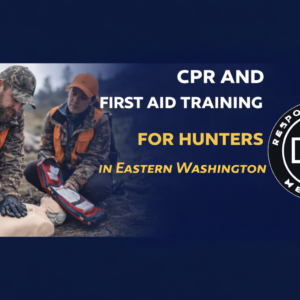
Eastern Washington hunters face delayed rescue and harsh conditions. CPR and First Aid training prepares hunters to manage emergencies when help is hours away.
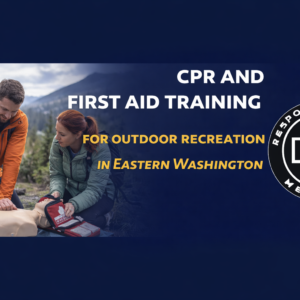
Outdoor emergencies require special preparation. Learn why CPR and First Aid training is essential for Spokane residents exploring Eastern Washington.
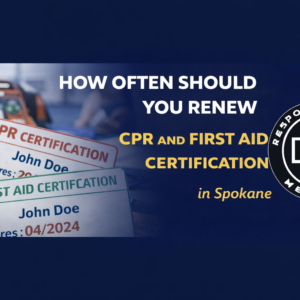
CPR and First Aid skills fade over time. Learn how often to renew certification and why staying current saves lives in Spokane.
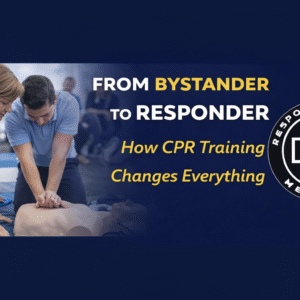
CPR training transforms ordinary people into confident responders. Learn how training changes emergency response and strengthens Spokane communities.
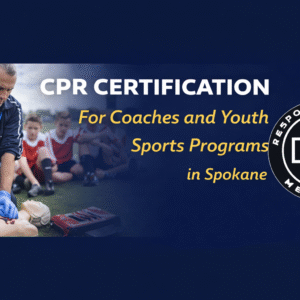
CPR certification is essential for Spokane coaches and youth sports programs. Learn how training protects athletes and saves lives during emergencies.
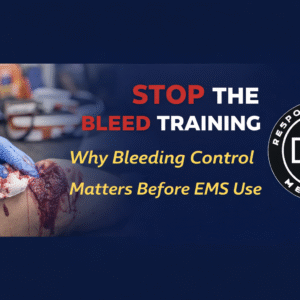
Stop the Bleed training teaches lifesaving bleeding control skills that can prevent death from traumatic injuries before EMS arrives in Spokane.
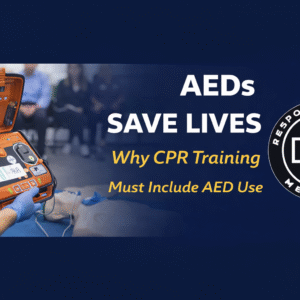
AEDs save lives but only when people know how to use them. Learn why CPR training must include AED instruction to improve cardiac arrest survival in Spokane.

For Spokane parents, CPR and First Aid training provides confidence and lifesaving skills to protect children during home emergencies.
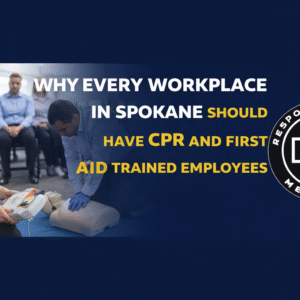
Every Spokane workplace faces medical emergencies. CPR and First Aid training equips employees to act immediately, save lives, and create a safer work environment.
Staff turnover can create preparedness gaps. Training substitute teachers and new staff ensures schools maintain emergency response capability year round.