
How CPR AED and Bleeding Control Laws Work Together in Washington Schools
Table of Contents
-
Why Layered Emergency Preparedness Matters
-
CPR and AED Training Requirements for High Schools
-
Bleeding Control Requirements Under RCW 28A.210.440
-
How These Laws Complement Each Other
-
Building a Unified School Safety Program
-
How Response Ready Medical® Supports Integrated Training
Why Layered Emergency Preparedness Matters
Emergencies in schools are unpredictable. Cardiac arrest, traumatic injuries, and severe bleeding all require immediate action before emergency responders arrive.
Washington law recognizes this reality by addressing multiple emergency scenarios through distinct but complementary requirements. When CPR, AED, and bleeding control programs are implemented together, schools are better prepared for a wide range of critical incidents.
CPR and AED Training Requirements for High Schools
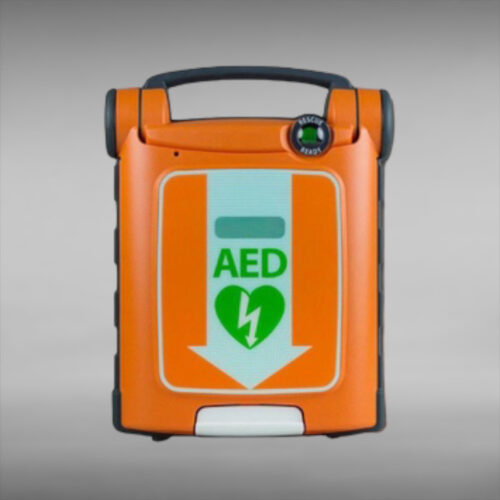
Washington requires public high schools to provide CPR and AED instruction to students prior to graduation. This ensures students can recognize sudden cardiac arrest and respond appropriately using chest compressions and defibrillation.
This requirement builds lifesaving knowledge across the student population and extends preparedness beyond staff alone.
Bleeding Control Requirements Under RCW 28A.210.440
RCW 28A.210.440 focuses on traumatic bleeding emergencies. It requires schools to maintain bleeding control kits, train designated staff, and inspect equipment regularly.
Together, CPR and bleeding control laws address the two most immediate causes of preventable death in emergencies.
How These Laws Complement Each Other
CPR and AED training prepares responders for cardiac events. Bleeding control programs address severe hemorrhage. When combined, schools are equipped to stabilize victims until emergency services arrive.
These programs also reinforce each other through shared principles such as rapid assessment, scene safety, and coordinated response.
Building a Unified School Safety Program
Rather than treating each requirement separately, schools benefit from an integrated approach.
A unified program includes
• CPR and AED education for students and staff
• Strategic AED placement and maintenance
• Bleeding control kits positioned for rapid access
• Coordinated training schedules and documentation
How Response Ready Medical® Supports Integrated Training
Response Ready Medical® helps schools align multiple safety requirements into a single cohesive preparedness strategy.
Support includes
• CPR and AED training for students and staff
• Bleeding control equipment and instruction
• Program planning and compliance support
• Ongoing readiness assessments
This approach simplifies compliance while strengthening real-world response capability.