
What is an Individual First Aid Kit and Why You Should Carry One
What Is an IFAK and Why You Should Carry One
Table of Contents
- Introduction
- What is an IFAK?
- Common Contents of an IFAK
- Why You Should Carry an IFAK
- Types of IFAKs by Environment
- Conclusion
Introduction
You’ve probably heard of the importance of always being prepared for emergency situations. But are you truly ready to render first aid when a loved one needs it? An individual first aid kit, or IFAK, can make all the difference in an emergency.
What is an IFAK?
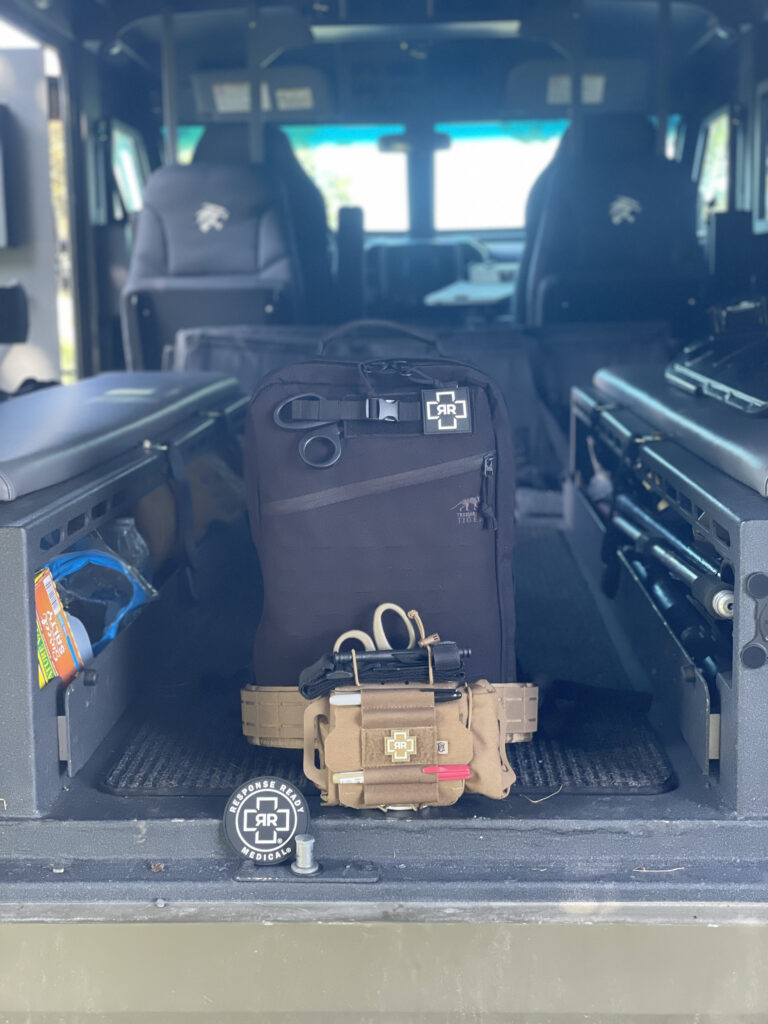
An IFAK is a portable kit worn on an individual’s person that contains medical supplies an individual can use to administer life-saving first aid to a wound or injury. The acronym IFAK stands for Individual First Aid Kit; and while having one is a fantastic idea, not all IFAKs are created equal. IFAKs can range from basic to extremely advanced based on the training and competency of the individual.
Common Contents of an IFAK
IFAKs typically include essentials like:
- Tourniquets to control severe bleeding
- Wound packing gauze to mitigate junctional hemorrhaging
- Pressure dressings or gauze pads of different sizes for applying pressure to wounds
- Chest seals to prevent penetrating thoracic trauma from developing into a collapsed lung
- NPAs and OPAs (nasopharyngeal and oropharyngeal airways)
- Medical tape to secure dressings in place
- Hydrogel for burn treatment
- Antiseptic wipes to clean wounds before bandaging
- Nitrile gloves to protect you from bloodborne pathogens
- Trauma shears for cutting clothes to access wounds
- Pain relievers like ibuprofen or acetaminophen
- Antibiotic ointment to prevent infection
- A marker to record treatment times, vital signs, patient medical history and more
Why You Should Carry an IFAK
Having an IFAK can literally be lifesaving in an emergency situation. Some reasons to carry a basic, intermediate, or—if you’re adequately trained—an advanced first aid kit:
- You may be the first person on the scene during an accident or injury. Basic first aid can stabilize a person and reduce the severity of injuries or likelihood of fatality until medical professionals arrive.
- Outdoor enthusiasts in remote areas may have to wait hours or even days for help to arrive. An IFAK ensures you have the tools to treat injuries and keep a person alive until rescue.
- Disasters like earthquakes, fires, or floods can overwhelm emergency response teams. Being able to render self-care and assist others is critical.
- IFAKs can be customized to specific environments where certain injuries may be more likely to occur than others.
Types of IFAKs by Environment
Some examples of different kits for different environments would include:
Civilian Responder IFA
Tactical Responder IFAK
Stay Response Ready.